
Sugary drinks negatively impact these two risk factors for heart disease
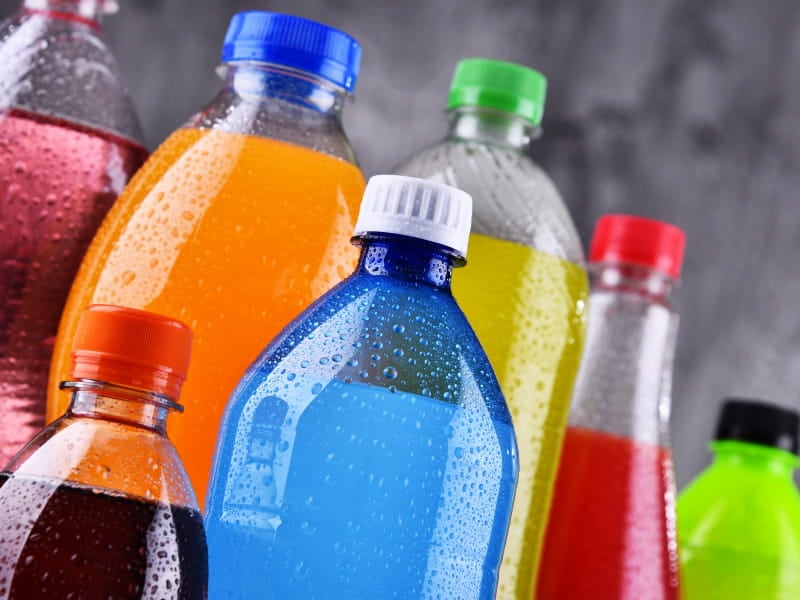
There's no sugarcoating it: Having too many sweet drinks may be linked to increased risk of cardiovascular disease in middle-aged and older adults, according to new research.
Drinking 12 ounces of sugary beverages more than once a day may lower "good" cholesterol and increase triglycerides, fat in the blood that can lead to heart disease.
"Reducing the number of or eliminating sugary drink consumption may be one strategy that could help people keep their triglyceride and good cholesterol at healthier levels," lead study author Nicola McKeown said in a news release. McKeown is a nutrition epidemiologist at the Jean Mayer USDA Human Nutrition Research Center on Aging at Tufts University in Boston.
Previous studies have shown added sugars increase heart disease risk. Beverages such as sodas, sports drinks and fruit-flavored drinks are the largest source of added sugar for Americans.
Researchers aimed to find out why and how these added sugars lead to heart disease. They hypothesized it could be a result of an unhealthy imbalance of cholesterol and triglyceride levels, a condition known as dyslipidemia that affects an estimated 40% to 50% of U.S. adults.
The observational study – published Wednesday in the Journal of the American Heart Association – examined medical data of nearly 6,000 people who were followed for an average of 12.5 years. Participants were classified into five groups according to how often they drank the different beverages, ranging from less than one serving per month to more than one serving per day.
The beverages were defined as: 12 ounces of sugary drinks, such as sodas, fruit-flavored drinks, sports drinks, and presweetened coffees and teas; 12 ounces of low-calorie sweetened beverages, including naturally and artificially sweetened "diet" sodas or other flavored drinks; or 8 ounces of 100% fruit juices, including orange, apple, grapefruit and other juices derived from whole fruits, with no added sugars.
Researchers found drinking more than 12 ounces per day of sugary beverages was associated with a 53% higher incidence of high triglycerides and a 98% higher incidence of low "good" cholesterol compared to those who drank less than 12 ounces per month.
Regularly drinking low-calorie sweetened beverages was not associated with increased dyslipidemia risk, nor was 100% fruit juice. However, researchers said more study is needed to back this finding.
"While our study didn't find negative consequences on blood lipids from drinking low-calorie sweetened drinks, there may be health consequences of consuming these beverages on other risk factors," McKeown said. "Water remains the preferred and healthiest beverage."
If you have questions or comments about this story, please email [email protected].